A SUA ENCOMENDA
O seu carrinho está vazio
Comece a adicionar peptídeos de investigação ao seu carrinho.
PODERÁ TAMBÉM GOSTAR
O seu carrinho está vazio
Comece a adicionar peptídeos de investigação ao seu carrinho.
PODERÁ TAMBÉM GOSTAR
The progressive, age-related loss of skeletal muscle mass, strength, and function that accelerates after age 50 and increases frailty risk.
Sarcopenia is a degenerative skeletal muscle disorder characterised by the progressive and generalised loss of muscle mass, strength, and physical performance that accompanies biological ageing. It is now recognised as a disease entity with its own ICD-10 diagnostic code (M62.84). Sarcopenia typically begins around age 30 with a loss of approximately 3-8% of muscle mass per decade, accelerating significantly after age 60. The underlying mechanisms are multifactorial and include declining anabolic hormone levels (growth hormone, IGF-1, testosterone), increased myostatin signalling, mitochondrial dysfunction, chronic low-grade inflammation (inflammaging), satellite cell depletion, and neuromuscular junction deterioration. Research into peptides that may counteract sarcopenic processes includes growth hormone secretagogues like CJC-1295 and Ipamorelin, which stimulate GH and IGF-1 pathways critical for muscle protein synthesis, and BPC-157, which has demonstrated effects on muscle tissue healing and growth factor modulation in preclinical models. Myostatin inhibition is another active area of sarcopenia peptide research.
BIOLOGY
General research term
No related article
The biological process by which muscle cells build new proteins, the primary mechanism for muscle growth, repair, and adaptation to exercise.
A myokine and member of the TGF-beta superfamily that acts as a negative regulator of skeletal muscle growth, limiting muscle mass and hypertrophy.
A 191-amino acid peptide hormone secreted by the anterior pituitary gland that regulates growth, body composition, metabolism, and tissue repair.
Total body weight minus fat mass, comprising muscle, bone, organs, and water, a key metric in body composition and metabolic health research.
The active growth phase of the hair follicle cycle, lasting 2-7 years, during which the hair shaft elongates from a fully formed hair bulb.
A cluster of specialised mesenchymal cells at the base of the hair follicle that controls hair growth, cycling, and follicle regeneration.
Legal under MHRA rules. BPC-157, tirzepatide & NAD+ pens with next-day UK delivery from £99. >99% purity, GMP certified. Shop now.
ARTICLEPens cut dosing error from 15% to under 2%. We compare accuracy, contamination risk, cost, and convenience. See why researchers are switching in 2026.
ARTICLEOver 100 published studies back BPC-157 for tissue repair, gut healing, and neuroprotection. Mechanisms, dosing protocols, and where to buy in the UK.
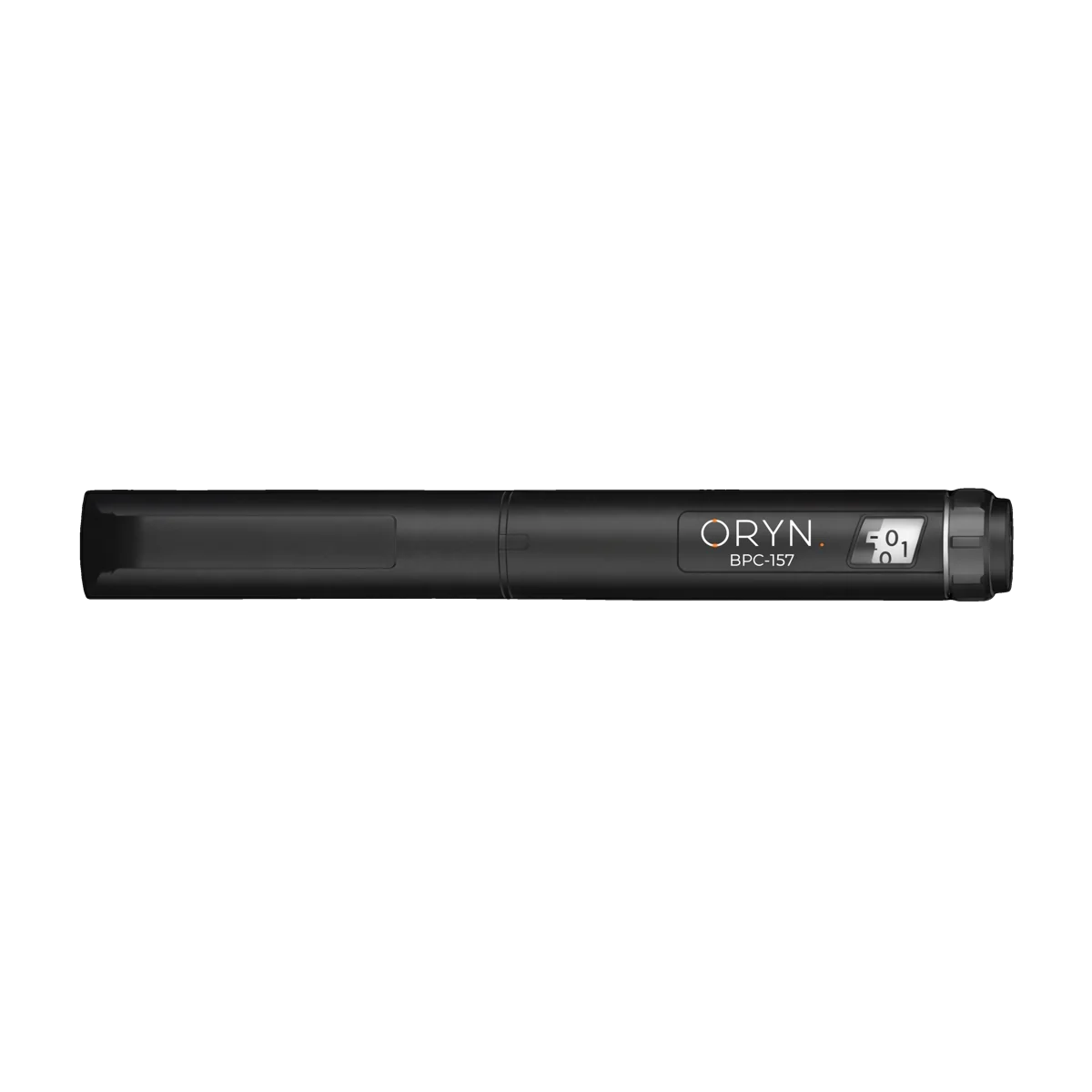
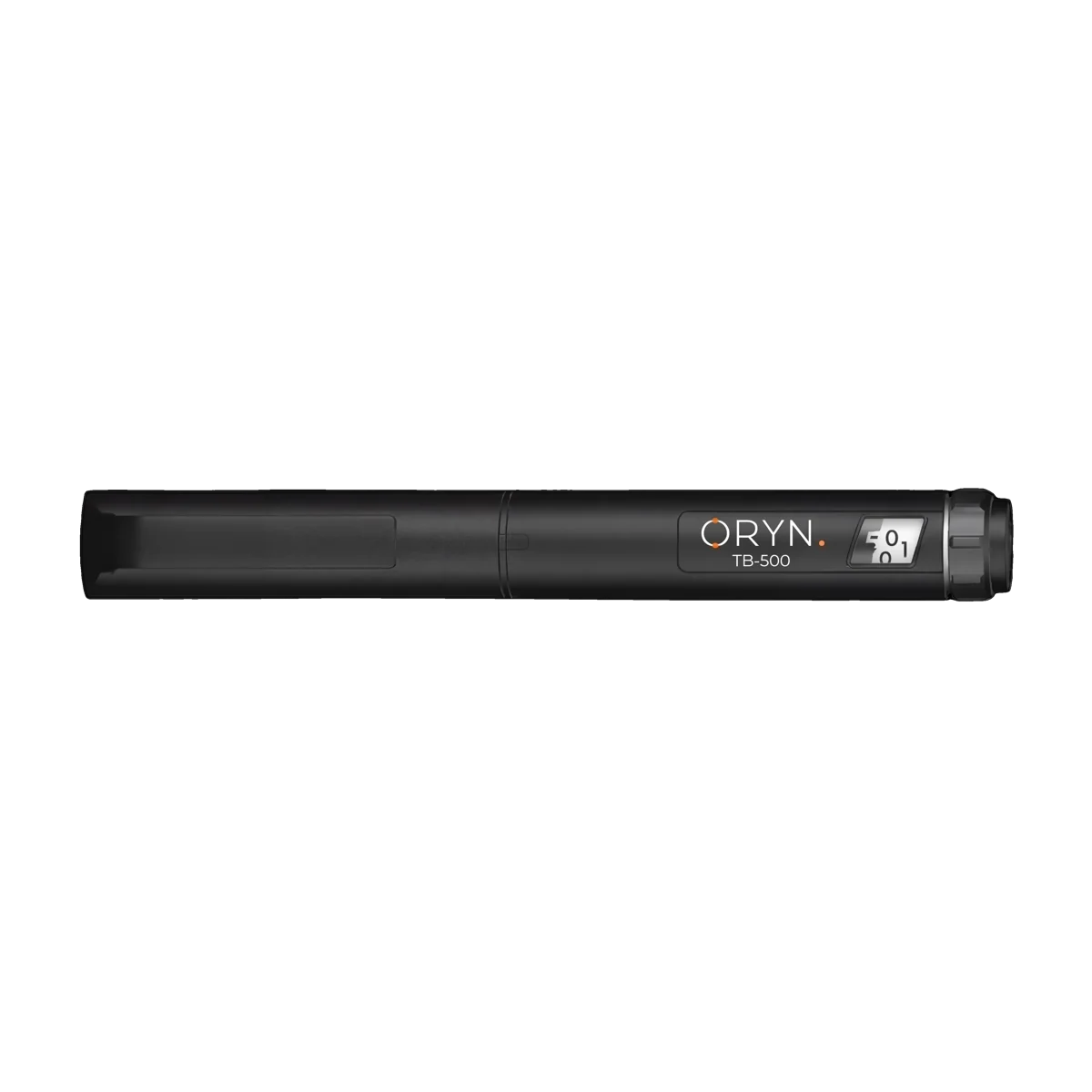
COMPARISONCompare BPC-157 e TB-500 para pesquisa de recuperação. Mecanismos, benefícios, dosagem e quando usar cada peptídeo. Compre ambos como canetas pré-misturadas.
COMPARISONCompare tirzepatida e semaglutida para pesquisa metabólica. Receptor duplo vs simples, dados de eficácia, efeitos colaterais e preços. Compre canetas tirzepatida.
ENCYCLOPEDIAGastric Pentadecapeptide. Peso molecular: 1419.53 Da. Explore o mecanismo de ação, estudos-chave e aplicações de investigação.
BUNDLEO duo clássico de cura para reparação tecidual acelerada
PROTOCOLProtocolo de pesquisa combinando as canetas de peptídeos BPC-157 e TB-500 para recuperação tecidual acelerada. Explore mecanismos de cura sinérgicos, esquemas de dosagem e resultados de estudos publicados.
FAQTudo sobre sistemas de canetas peptídicas. Como funcionam, vantagens sobre os frascos e mecanismos de dosagem.
CATEGORYResearch-grade recovery peptide pens. BPC-157 and TB-500 for tissue repair, wound healing, and inflammation research. >99% purity, UK delivery.
CATEGORYResearch-grade weight loss peptide pens. Tirzepatide dual GIP/GLP-1 agonist for metabolic research. Pre-mixed pens, >99% purity, next-day UK delivery.
Premium pre-mixed peptide pens with next-day UK delivery. GMP manufactured, >99% purity guaranteed.
SHOP ALL PEPTIDES