The specific biochemical interaction through which a peptide or drug produces its pharmacological effect at the molecular or cellular level.
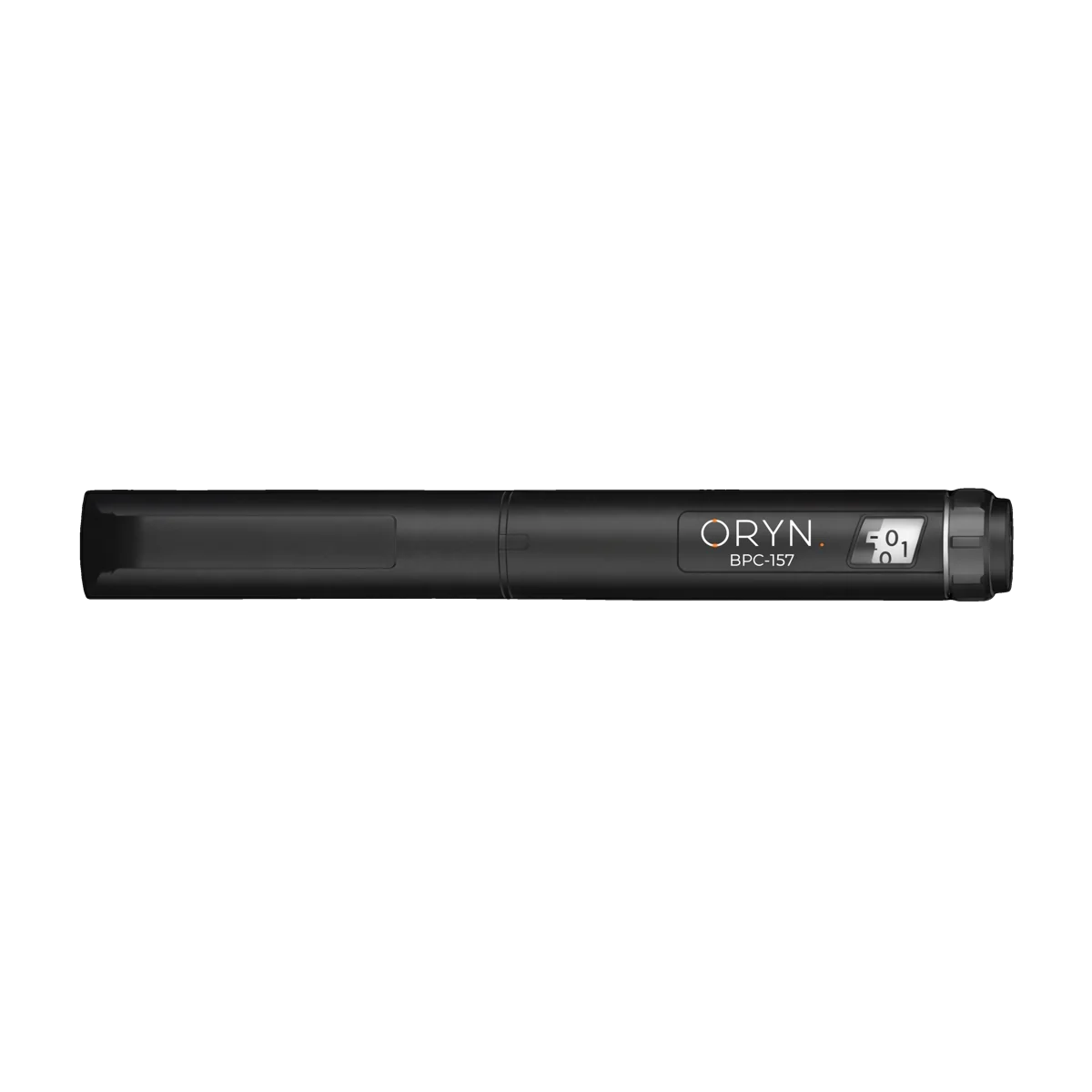
Mechanism of action (MOA) describes the specific molecular and biochemical processes by which a drug or peptide produces its pharmacological effects. This includes identifying the target receptor or enzyme, characterising the binding interaction, mapping the downstream signalling cascades, and understanding the cellular consequences. For research peptides, understanding MOA is essential for predicting efficacy and identifying potential synergies between compounds. For example, tirzepatide's MOA involves biased agonism at GIP receptors and agonism at GLP-1 receptors. BPC-157's MOA involves nitric oxide system modulation, VEGF upregulation, and FAK-paxillin pathway activation. Ipamorelin's MOA involves selective GHS-R1a agonism without activating cortisol or prolactin pathways. A thorough understanding of MOA allows researchers to design informed experimental protocols.
A molecule that binds to and activates a cellular receptor, mimicking or enhancing the effect of the natural signalling molecule (ligand).
The complex system of molecular communication by which cells detect, process, and respond to signals from other cells and their environment.
The study of the biochemical and physiological effects of a drug on the body and its mechanism of action, summarised as 'what the drug does to the body'.
The relationship between the quantity of a substance administered and the magnitude of its biological effect, fundamental to pharmacological research.
The physiological process of forming new blood vessels from pre-existing vasculature, essential for wound healing, tissue repair, and nutrient delivery.
A cellular self-cleaning process that degrades and recycles damaged organelles, misfolded proteins, and pathogens, crucial for longevity and cellular health.
Legal under MHRA rules. BPC-157, tirzepatide & NAD+ pens with next-day UK delivery from £99. >99% purity, GMP certified. Shop now.
ARTICLEPens cut dosing error from 15% to under 2%. We compare accuracy, contamination risk, cost, and convenience. See why researchers are switching in 2026.
ARTICLEOver 100 published studies back BPC-157 for tissue repair, gut healing, and neuroprotection. Mechanisms, dosing protocols, and where to buy in the UK.
COMPARISONCompare BPC-157 and TB-500 for recovery research. Mechanisms, benefits, dosing, and when to use each peptide. Buy both as pre-mixed pens UK.
COMPARISONCompare tirzepatide and semaglutide for metabolic research. Dual vs single receptor, efficacy data, side effects, and pricing. Buy tirzepatide pens UK.
ENCYCLOPEDIAGastric Pentadecapeptide. Molecular weight: 1419.53 Da. Explore mechanism of action, key studies, and research applications.
BUNDLEThe classic healing duo for accelerated tissue repair
PROTOCOLResearch protocol combining BPC-157 and TB-500 peptide pens for accelerated tissue recovery. Explore synergistic healing mechanisms, dosing schedules, and published study findings.
FAQEverything you need to know about peptide pen systems. Learn how pre-mixed peptide pens work, their advantages over vials, dosing mechanisms, and more.
CATEGORYResearch-grade recovery peptide pens. BPC-157 and TB-500 for tissue repair, wound healing, and inflammation research. >99% purity, UK delivery.
CATEGORYResearch-grade weight loss peptide pens. Tirzepatide dual GIP/GLP-1 agonist for metabolic research. Pre-mixed pens, >99% purity, next-day UK delivery.
Premium pre-mixed peptide pens with next-day UK delivery. GMP manufactured, >99% purity guaranteed.
SHOP ALL PEPTIDES