A cellular self-cleaning process that degrades and recycles damaged organelles, misfolded proteins, and pathogens, crucial for longevity and cellular health.
Autophagy (from the Greek 'self-eating') is a highly conserved intracellular degradation pathway in which cytoplasmic components including damaged organelles, aggregated proteins, and intracellular pathogens are enclosed within double-membrane vesicles called autophagosomes and delivered to lysosomes for degradation and recycling. There are three main types: macroautophagy, microautophagy, and chaperone-mediated autophagy, each with distinct mechanisms but shared goals of cellular quality control. Autophagy is upregulated in response to nutrient deprivation, oxidative stress, and infection, serving as both a survival mechanism and a quality-control system. Declining autophagic efficiency with age is linked to the accumulation of cellular damage, neurodegeneration, and metabolic dysfunction. NAD+ has been shown to enhance autophagy via sirtuin activation (particularly SIRT1), making it a compound of significant interest in longevity research.
SCIENCE
General research term
No related article
Nicotinamide Adenine Dinucleotide, an essential coenzyme in every living cell that drives energy metabolism, DNA repair, and sirtuin-mediated longevity pathways.
A family of seven NAD+-dependent protein deacetylases (SIRT1-7) that regulate gene expression, DNA repair, metabolism, and aging processes.
The irreversible state of cell cycle arrest in which cells remain metabolically active but stop dividing, contributing to tissue aging and chronic inflammation.
Double-membrane organelles responsible for generating cellular energy (ATP) through oxidative phosphorylation, also involved in apoptosis and calcium signalling.
An imbalance between reactive oxygen species production and antioxidant defences, leading to cellular and molecular damage associated with aging and disease.
The physiological process of forming new blood vessels from pre-existing vasculature, essential for wound healing, tissue repair, and nutrient delivery.
Legal under MHRA rules. BPC-157, tirzepatide & NAD+ pens with next-day UK delivery from £99. >99% purity, GMP certified. Shop now.
ARTICLEPens cut dosing error from 15% to under 2%. We compare accuracy, contamination risk, cost, and convenience. See why researchers are switching in 2026.
ARTICLEOver 100 published studies back BPC-157 for tissue repair, gut healing, and neuroprotection. Mechanisms, dosing protocols, and where to buy in the UK.
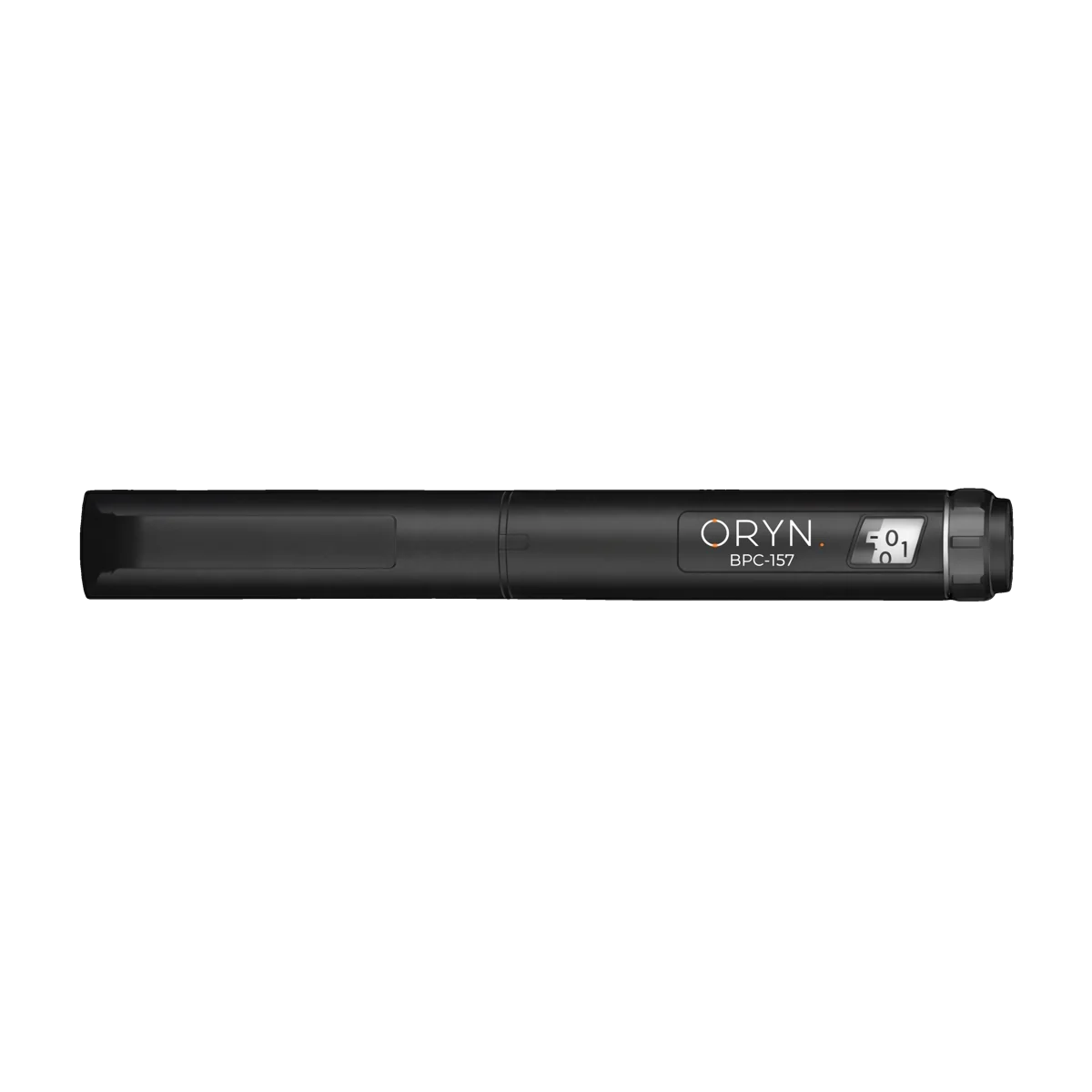
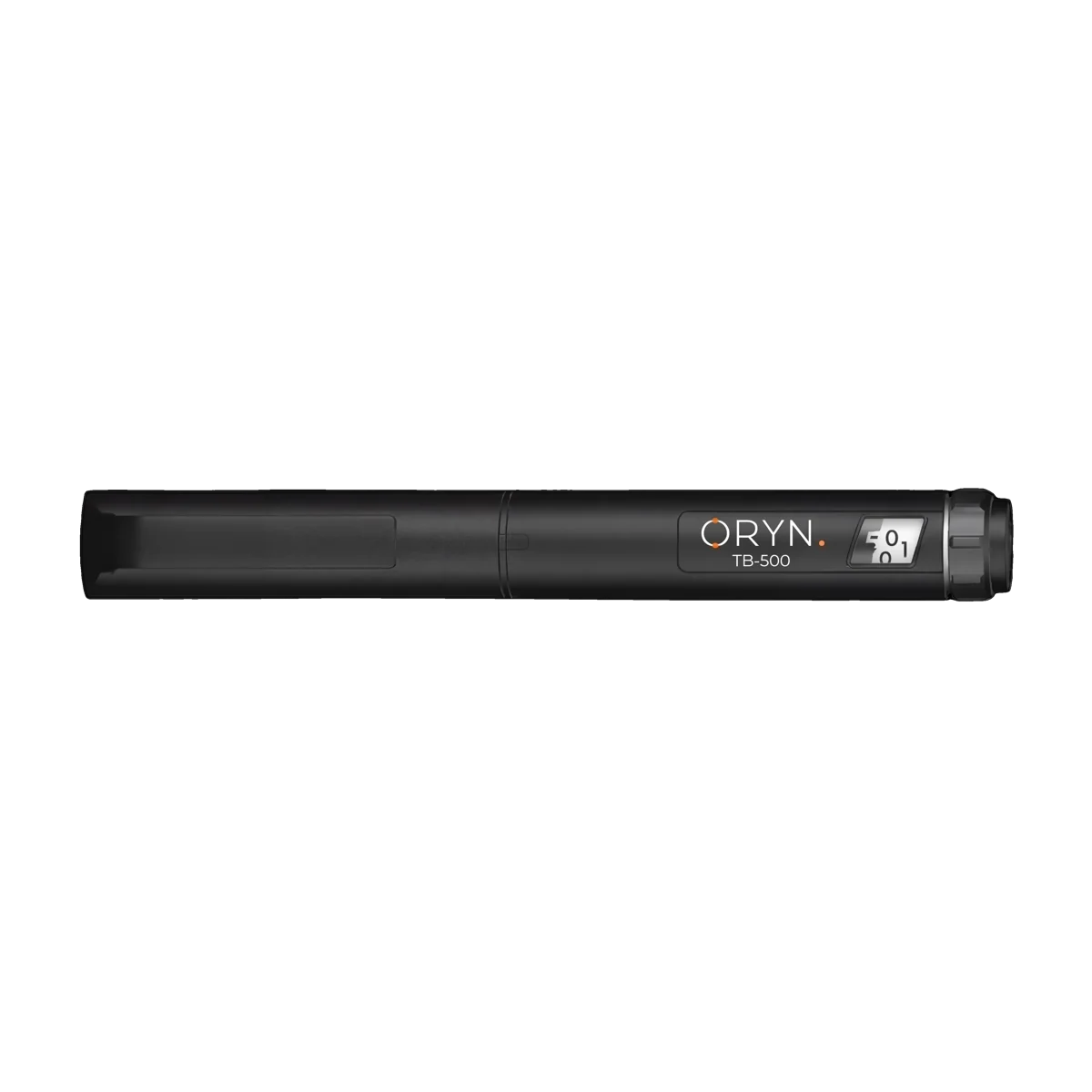
COMPARISONCompare BPC-157 and TB-500 for recovery research. Mechanisms, benefits, dosing, and when to use each peptide. Buy both as pre-mixed pens UK.
COMPARISONCompare tirzepatide and semaglutide for metabolic research. Dual vs single receptor, efficacy data, side effects, and pricing. Buy tirzepatide pens UK.
ENCYCLOPEDIAGastric Pentadecapeptide. Molecular weight: 1419.53 Da. Explore mechanism of action, key studies, and research applications.
BUNDLEThe classic healing duo for accelerated tissue repair
PROTOCOLResearch protocol combining BPC-157 and TB-500 peptide pens for accelerated tissue recovery. Explore synergistic healing mechanisms, dosing schedules, and published study findings.
FAQEverything you need to know about peptide pen systems. Learn how pre-mixed peptide pens work, their advantages over vials, dosing mechanisms, and more.
CATEGORYResearch-grade recovery peptide pens. BPC-157 and TB-500 for tissue repair, wound healing, and inflammation research. >99% purity, UK delivery.
CATEGORYResearch-grade weight loss peptide pens. Tirzepatide dual GIP/GLP-1 agonist for metabolic research. Pre-mixed pens, >99% purity, next-day UK delivery.
Premium pre-mixed peptide pens with next-day UK delivery. GMP manufactured, >99% purity guaranteed.
SHOP ALL PEPTIDES