TWOJE ZAMÓWIENIE
Twój koszyk jest pusty
Zacznij dodawać peptydy badawcze do koszyka.
MOŻE CI SIĘ SPODOBAĆ
Twój koszyk jest pusty
Zacznij dodawać peptydy badawcze do koszyka.
MOŻE CI SIĘ SPODOBAĆ
Systematic evaluation of how a peptide product maintains its quality, purity, and potency over time under specified storage conditions.
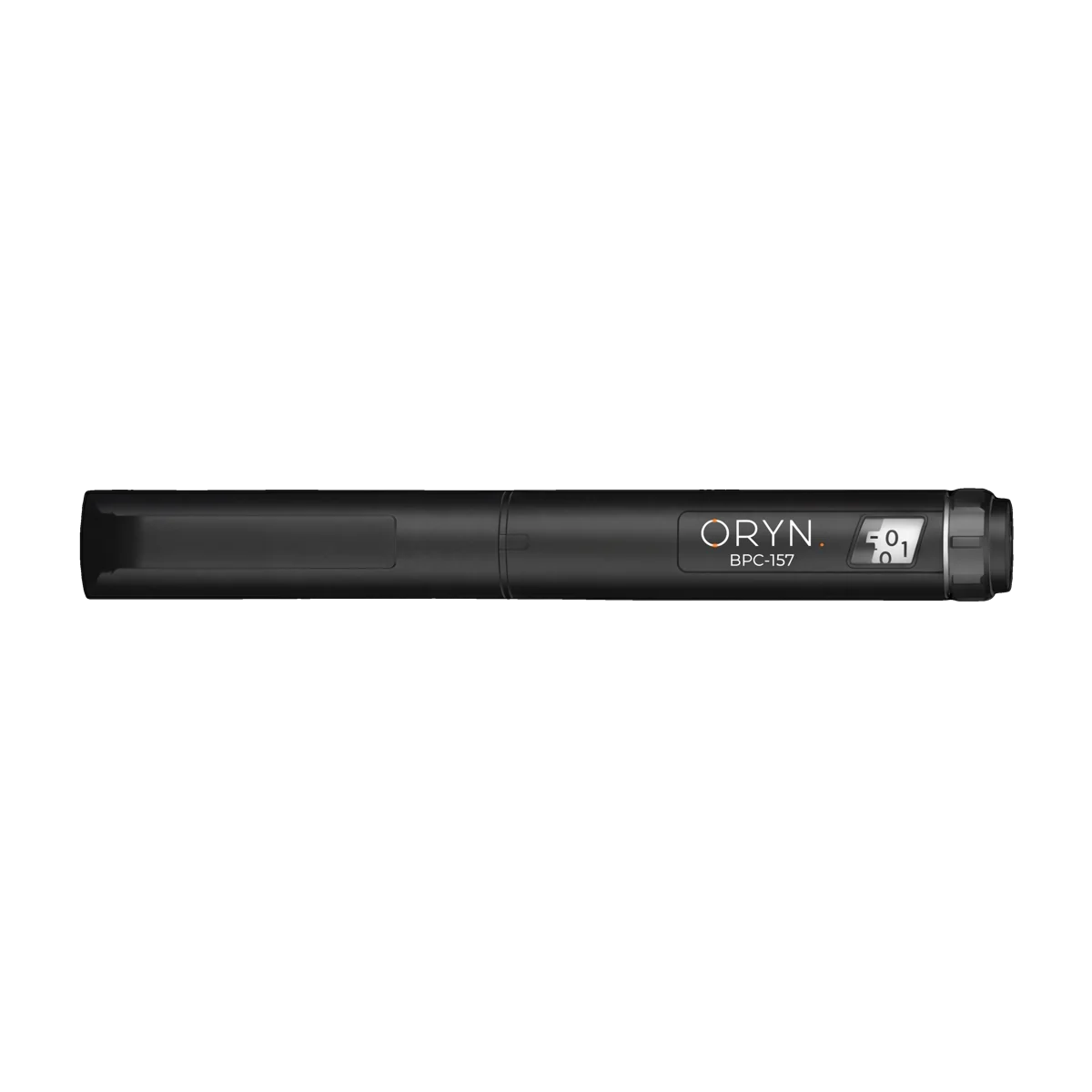
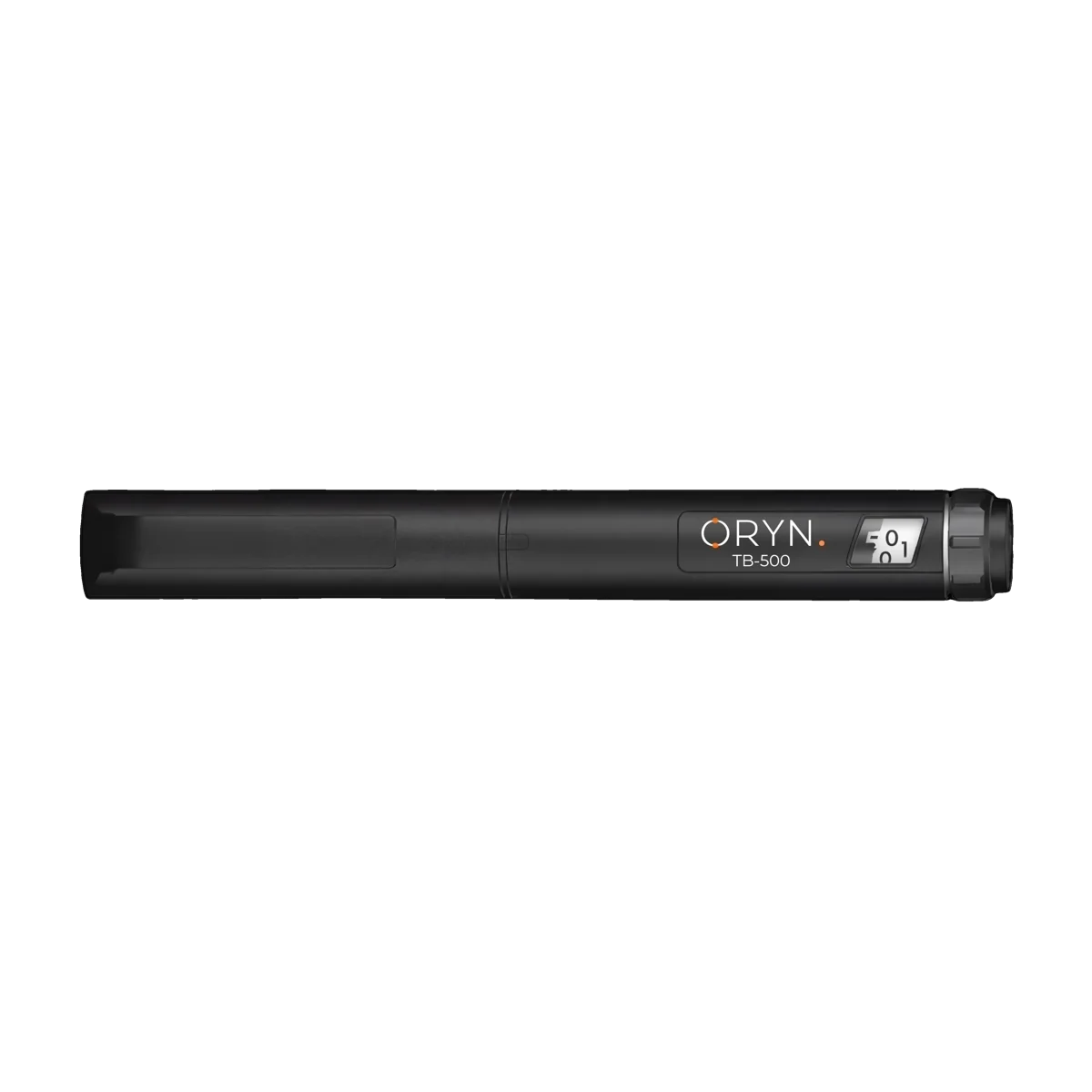
Stability testing is a regulatory and quality assurance process that evaluates how the quality attributes of a pharmaceutical or research product change over time under defined environmental conditions, including temperature, humidity, and light exposure. For peptides, stability studies monitor parameters such as chemical purity (degradation products), physical appearance, pH, sterility, and biological potency at specified time intervals. ICH guidelines define three standard conditions: long-term (25 degrees Celsius, 60% RH), intermediate (30 degrees Celsius, 65% RH), and accelerated (40 degrees Celsius, 75% RH). Peptides are inherently susceptible to degradation through hydrolysis, oxidation, deamidation, aggregation, and disulfide scrambling, making stability data essential for determining shelf life and storage requirements. ORYN peptide pens are formulated with optimised buffer systems and stored under cold-chain conditions to maximise stability. Real-time and accelerated stability data inform the expiration dates printed on each product and validate that the precision pen delivery system maintains peptide integrity throughout its intended use period.
TESTING & QC
General research term
No related article
A temperature-controlled supply chain that maintains peptide products between 2-8 degrees Celsius from manufacture through delivery to preserve stability.
Freeze-drying, a preservation process that removes water from a frozen peptide solution by sublimation, creating a stable dry powder for long-term storage.
A document from a quality testing laboratory that confirms a peptide batch meets specified purity, identity, and quality standards.
The systematic processes and procedures that ensure every batch of peptide product meets predetermined specifications for purity, potency, sterility, and safety.
A laboratory technique for separating mixture components based on differential interactions with a stationary and mobile phase, used extensively in peptide analysis.
A quality control assay that detects bacterial lipopolysaccharide contamination in injectable peptide products to ensure safety.
Legal under MHRA rules. BPC-157, tirzepatide & NAD+ pens with next-day UK delivery from £99. >99% purity, GMP certified. Shop now.
ARTICLEPens cut dosing error from 15% to under 2%. We compare accuracy, contamination risk, cost, and convenience. See why researchers are switching in 2026.
ARTICLEOver 100 published studies back BPC-157 for tissue repair, gut healing, and neuroprotection. Mechanisms, dosing protocols, and where to buy in the UK.
COMPARISONPorównaj BPC-157 i TB-500 w badaniach regeneracyjnych. Mechanizmy, korzyści, dawkowanie i kiedy używać każdego peptydu. Kup oba jako wstępnie zmieszane peny.
COMPARISONPorównaj tirzepatyd i semaglutyd w badaniach metabolicznych. Podwójny vs pojedynczy receptor, dane skuteczności, działania niepożądane i ceny. Kup peny tirzepatydu.
ENCYCLOPEDIAGastric Pentadecapeptide. Masa cząsteczkowa: 1419.53 Da. Poznaj mechanizm działania, kluczowe badania i zastosowania badawcze.
BUNDLEKlasyczny duet leczniczy dla przyspieszonej naprawy tkanek
PROTOCOLProtokół badawczy łączący peny peptydowe BPC-157 i TB-500 w celu przyspieszonej regeneracji tkanek. Poznaj synergiczne mechanizmy gojenia, harmonogramy dawkowania i wyniki opublikowanych badań.
FAQWszystko o systemach pisaków peptydowych. Jak działają wstępnie zmieszane pisaki, zalety nad fiolkami i mechanizmy dawkowania.
CATEGORYResearch-grade recovery peptide pens. BPC-157 and TB-500 for tissue repair, wound healing, and inflammation research. >99% purity, UK delivery.
CATEGORYResearch-grade weight loss peptide pens. Tirzepatide dual GIP/GLP-1 agonist for metabolic research. Pre-mixed pens, >99% purity, next-day UK delivery.
Premium pre-mixed peptide pens with next-day UK delivery. GMP manufactured, >99% purity guaranteed.
SHOP ALL PEPTIDES