The Problem with Traditional Vials
Traditional peptide vials contain lyophilised powder that must be reconstituted before use:
Reconstitution Errors: Adding too much or too little bacteriostatic water changes the concentration, making every subsequent dose inaccurate.
Contamination: Each needle puncture of the vial's rubber stopper increases contamination risk.
Dosing Inconsistency: Drawing precise volumes requires steady hands — air bubbles and meniscus reading errors contribute to dose variation.
Degradation: Once reconstituted, peptides degrade faster, especially if temperature or handling is suboptimal.
How Peptide Pen Systems Solve These Issues
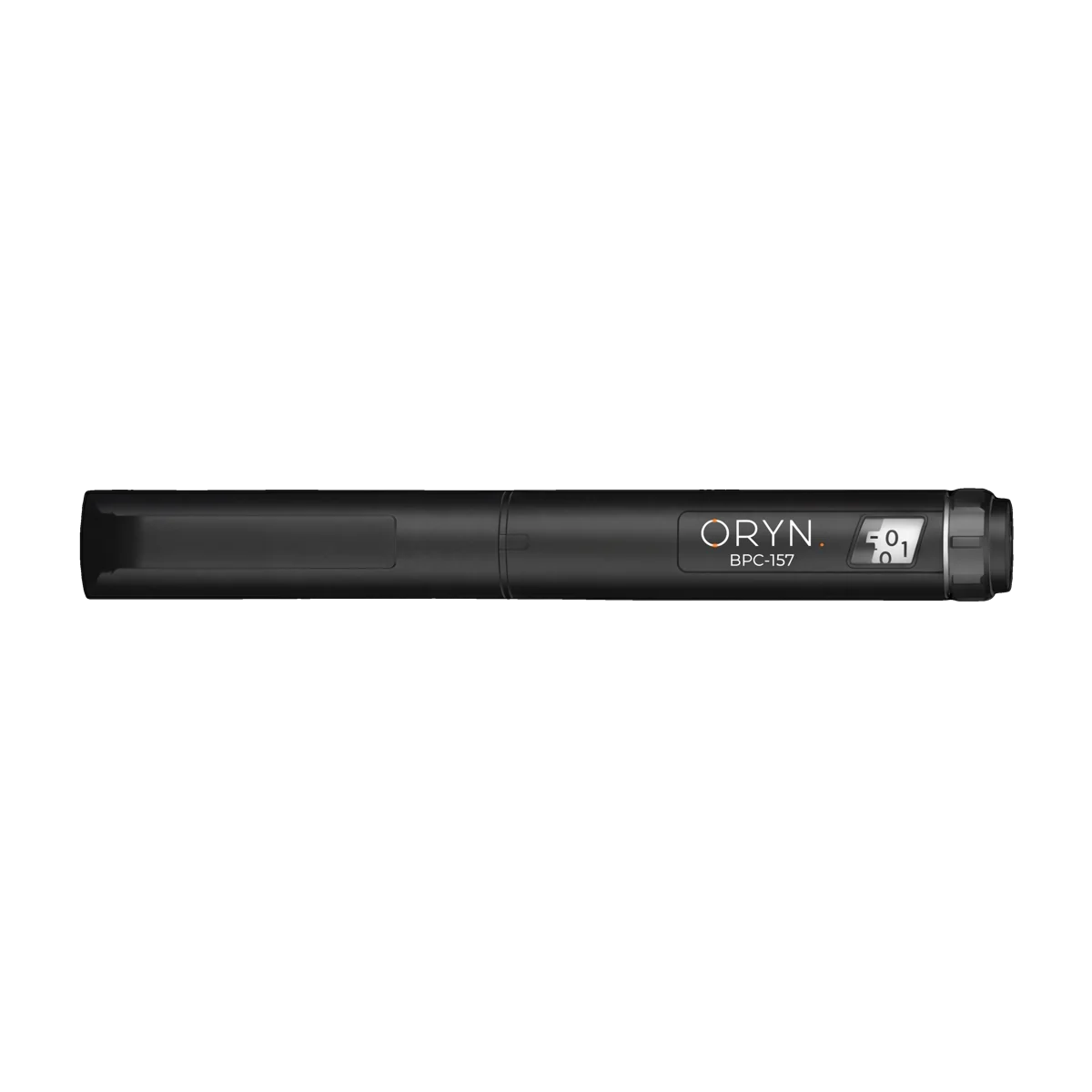
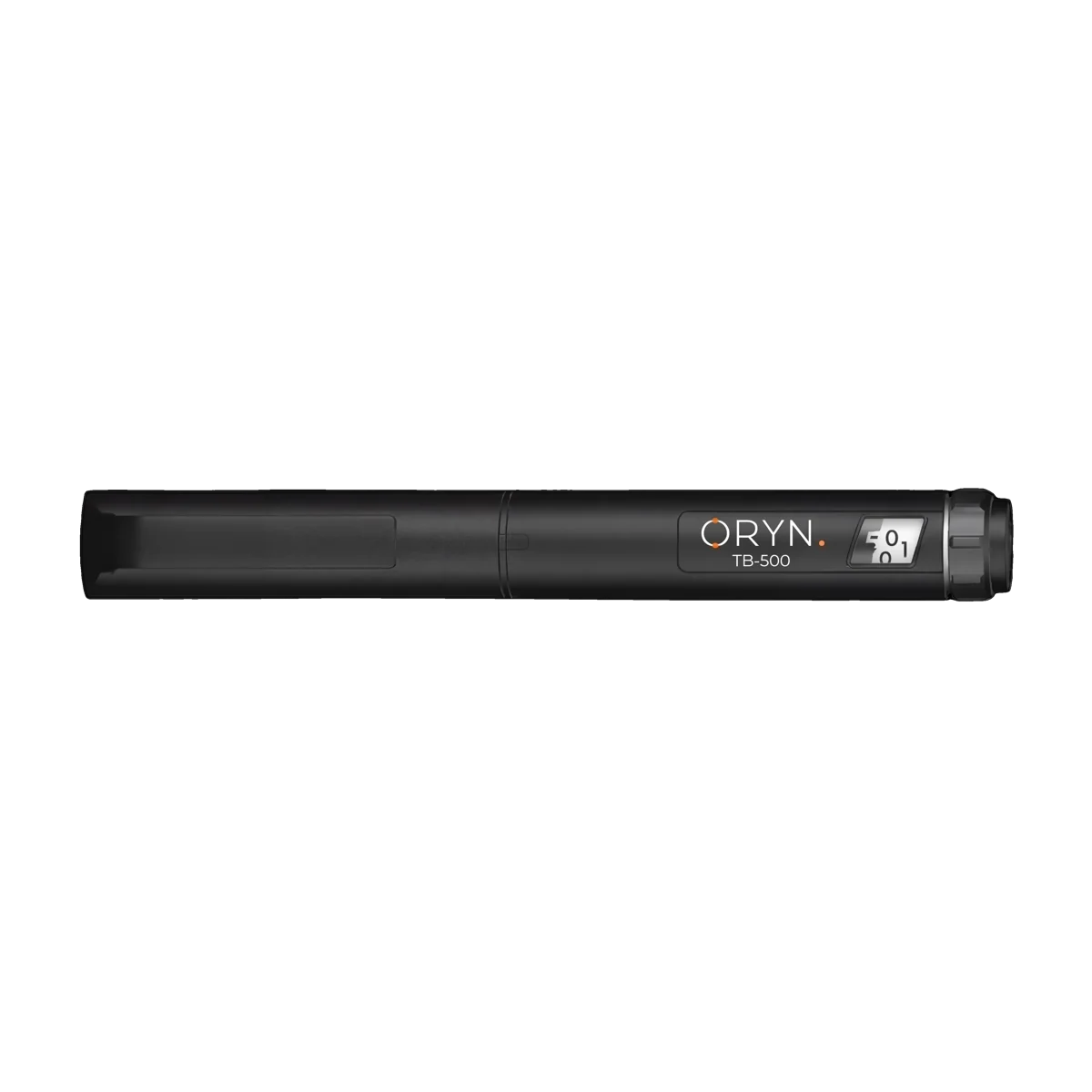
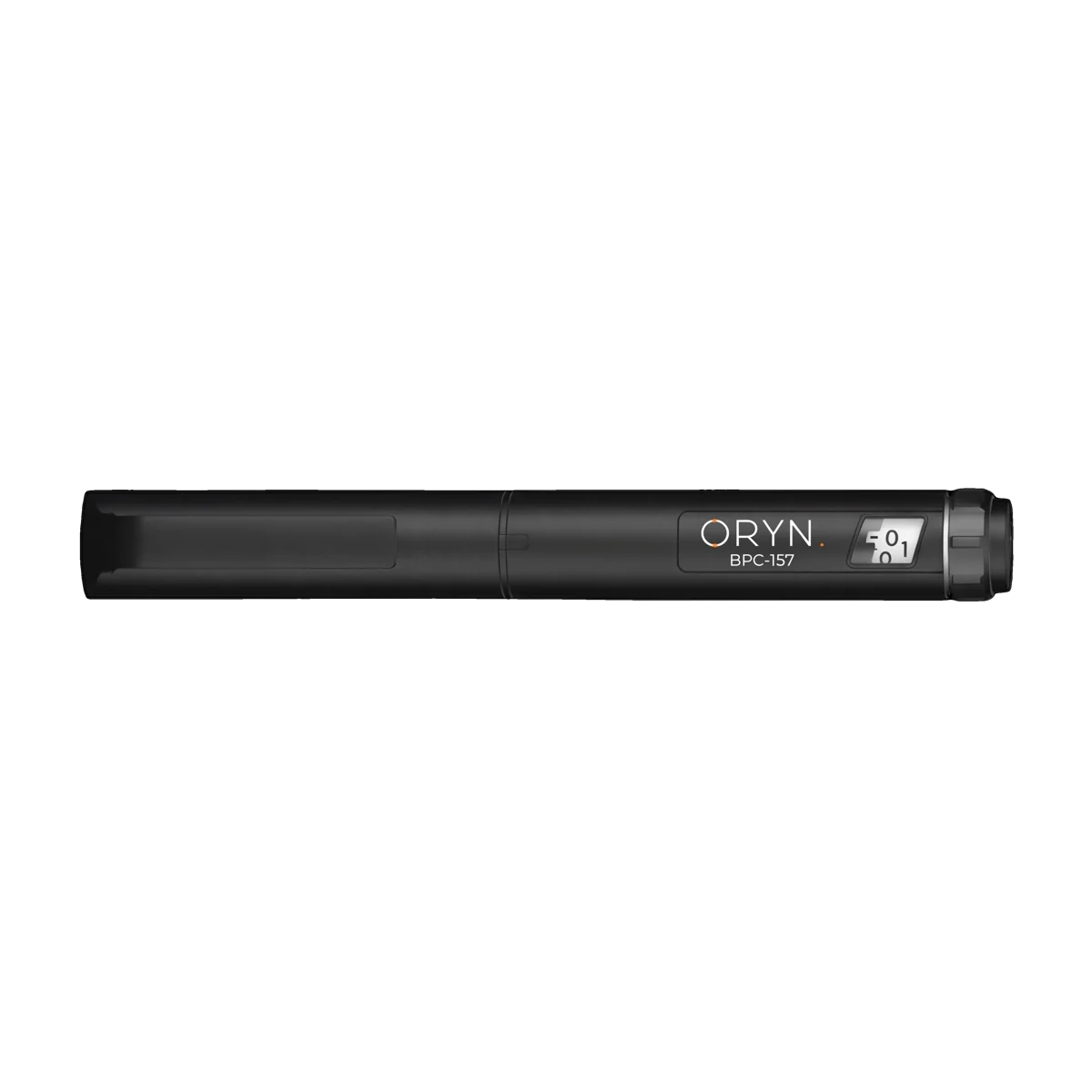
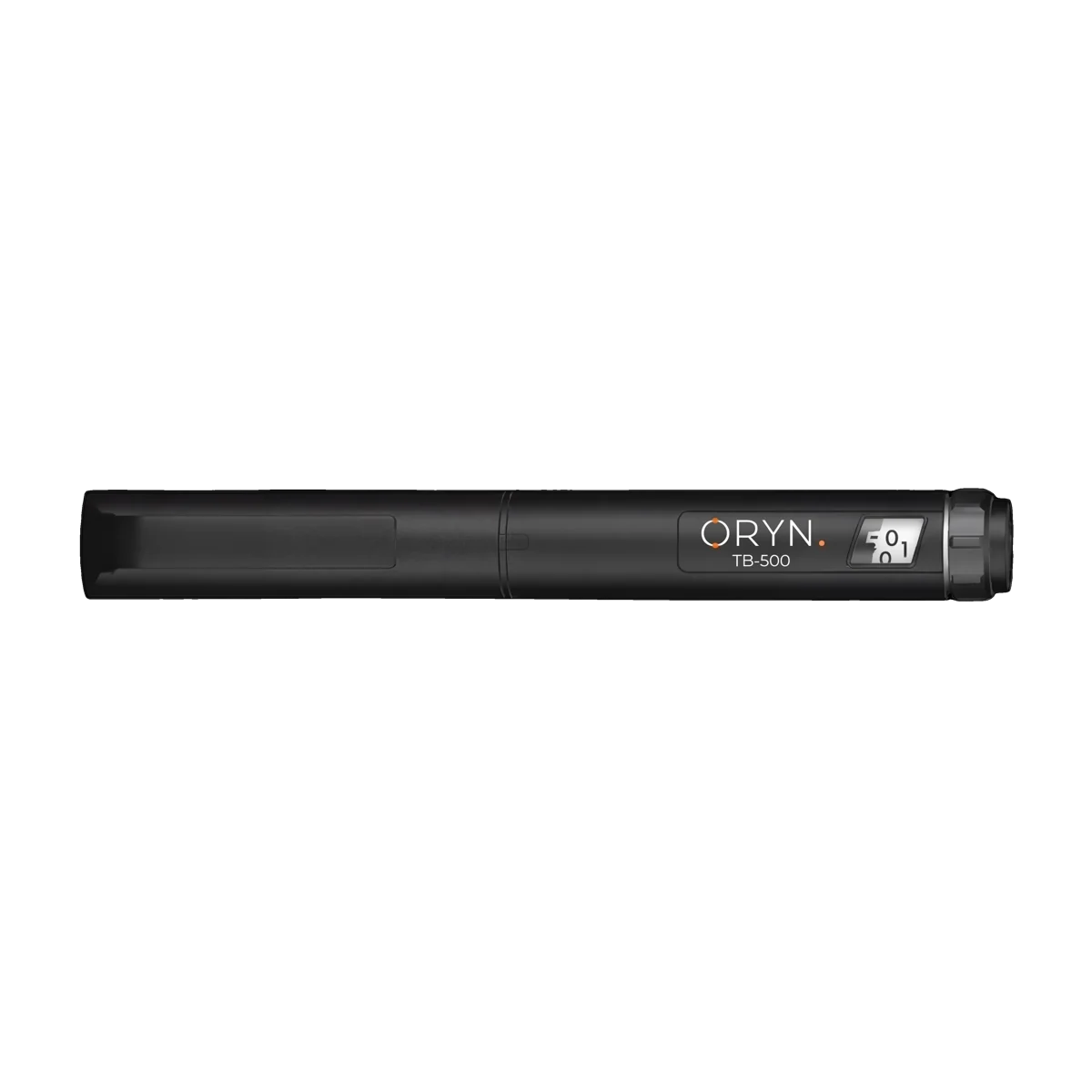
ORYN's peptide pen systems are pre-mixed at pharmaceutical-grade facilities under GMP conditions:
Precision Engineering: The pen's dial mechanism delivers exact, calibrated doses with each click.
Sealed Sterility: The peptide solution is sealed in a sterile cartridge during manufacturing.
Optimised Formulation: ORYN's solutions are formulated with appropriate buffers and stabilisers.
Consistent Results: When every dose is precisely the same, research data is more reliable.
Cost Analysis: Pen vs Vial
Vial Protocol Costs: Peptide vial + bacteriostatic water + insulin syringes (30+) + alcohol swabs + sharps container + time for reconstitution.
ORYN Pen Costs: Everything included in one purchase. No additional supplies needed. Minimal time required.
When all supplies and time are factored in, the price gap narrows significantly — and the pen wins on every quality metric.
Which Should You Choose?
Choose a peptide pen system if: - Dosing accuracy is critical to your research - You want to minimise contamination risk - Convenience and portability matter - You value pharmaceutical-grade preparation
A vial might suit you if: - Budget is the absolute primary concern - You need custom concentrations not available in pens - You have extensive reconstitution experience