TU PEDIDO
Tu carrito está vacío
Empieza a añadir péptidos de investigación a tu carrito.
TAMBIÉN TE PUEDE INTERESAR
Tu carrito está vacío
Empieza a añadir péptidos de investigación a tu carrito.
TAMBIÉN TE PUEDE INTERESAR
The strength of interaction between a ligand and its receptor, typically quantified by the dissociation constant (Kd), determining potency and selectivity.
Receptor binding affinity describes the strength of the non-covalent interaction between a ligand (such as a peptide) and its target receptor, quantified by the equilibrium dissociation constant (Kd), where a lower Kd indicates higher affinity. This parameter is fundamental to pharmacology because it determines how much of a compound is needed to occupy a meaningful fraction of receptors and produce a biological effect. Binding affinity is measured using techniques such as radioligand binding assays, surface plasmon resonance (SPR), isothermal titration calorimetry (ITC), and fluorescence polarisation. In peptide design, modifications to the amino acid sequence, cyclisation, and incorporation of non-natural amino acids can dramatically alter binding affinity and selectivity for target receptors. For example, Ipamorelin was engineered for high selectivity at the GHS-R1a receptor, resulting in growth hormone release without significant activation of cortisol or prolactin pathways, distinguishing it from less selective secretagogues like GHRP-6.
SCIENCE
General research term
No related article
A molecule that binds to and activates a cellular receptor, mimicking or enhancing the effect of the natural signalling molecule (ligand).
A molecule that binds to a receptor without activating it, blocking the receptor and preventing the natural ligand from producing its effect.
A selective pentapeptide growth hormone secretagogue that stimulates GH release via the ghrelin receptor with minimal effects on cortisol and prolactin.
The specific biochemical interaction through which a peptide or drug produces its pharmacological effect at the molecular or cellular level.
The physiological process of forming new blood vessels from pre-existing vasculature, essential for wound healing, tissue repair, and nutrient delivery.
A cellular self-cleaning process that degrades and recycles damaged organelles, misfolded proteins, and pathogens, crucial for longevity and cellular health.
Legal under MHRA rules. BPC-157, tirzepatide & NAD+ pens with next-day UK delivery from £99. >99% purity, GMP certified. Shop now.
ARTICLEPens cut dosing error from 15% to under 2%. We compare accuracy, contamination risk, cost, and convenience. See why researchers are switching in 2026.
ARTICLEOver 100 published studies back BPC-157 for tissue repair, gut healing, and neuroprotection. Mechanisms, dosing protocols, and where to buy in the UK.
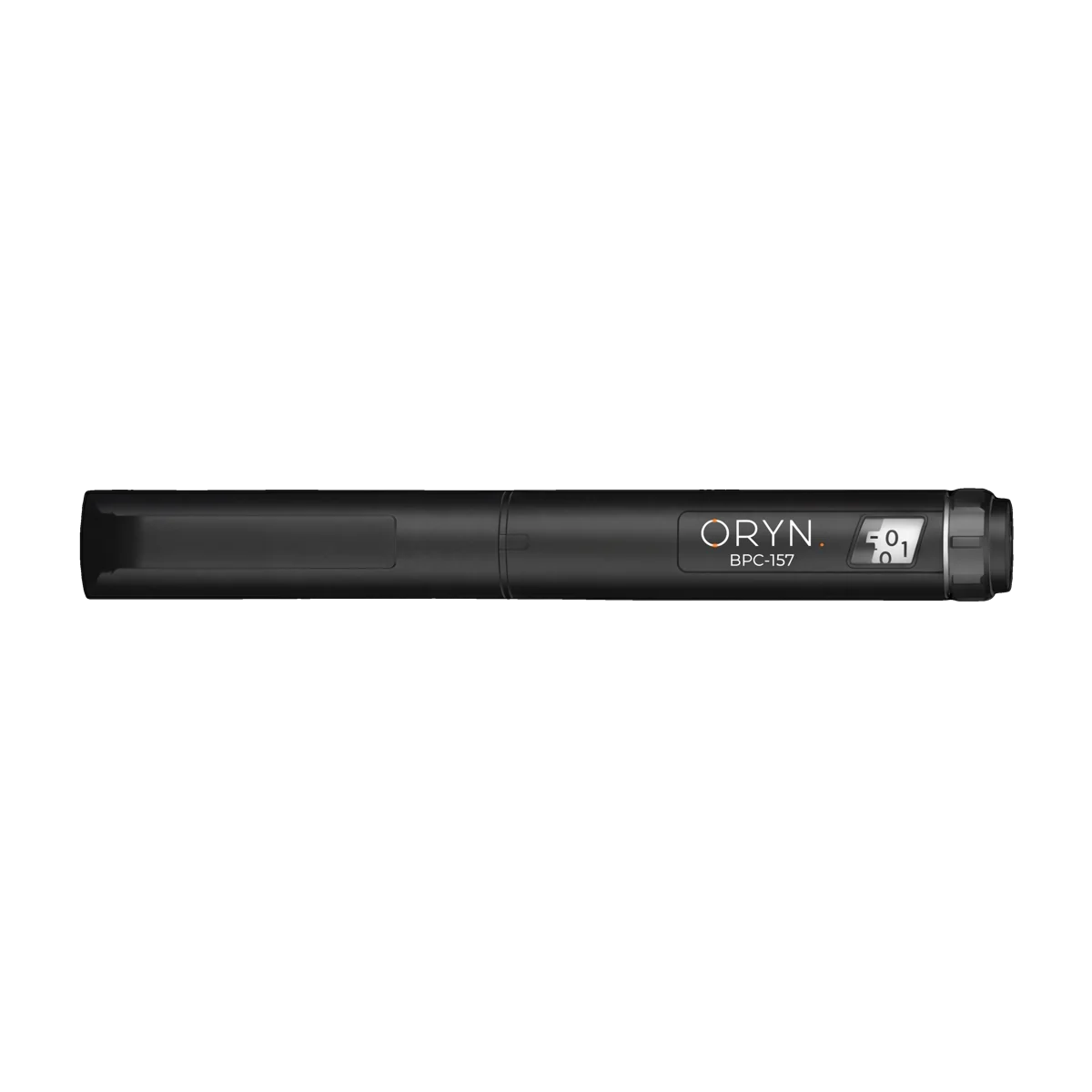
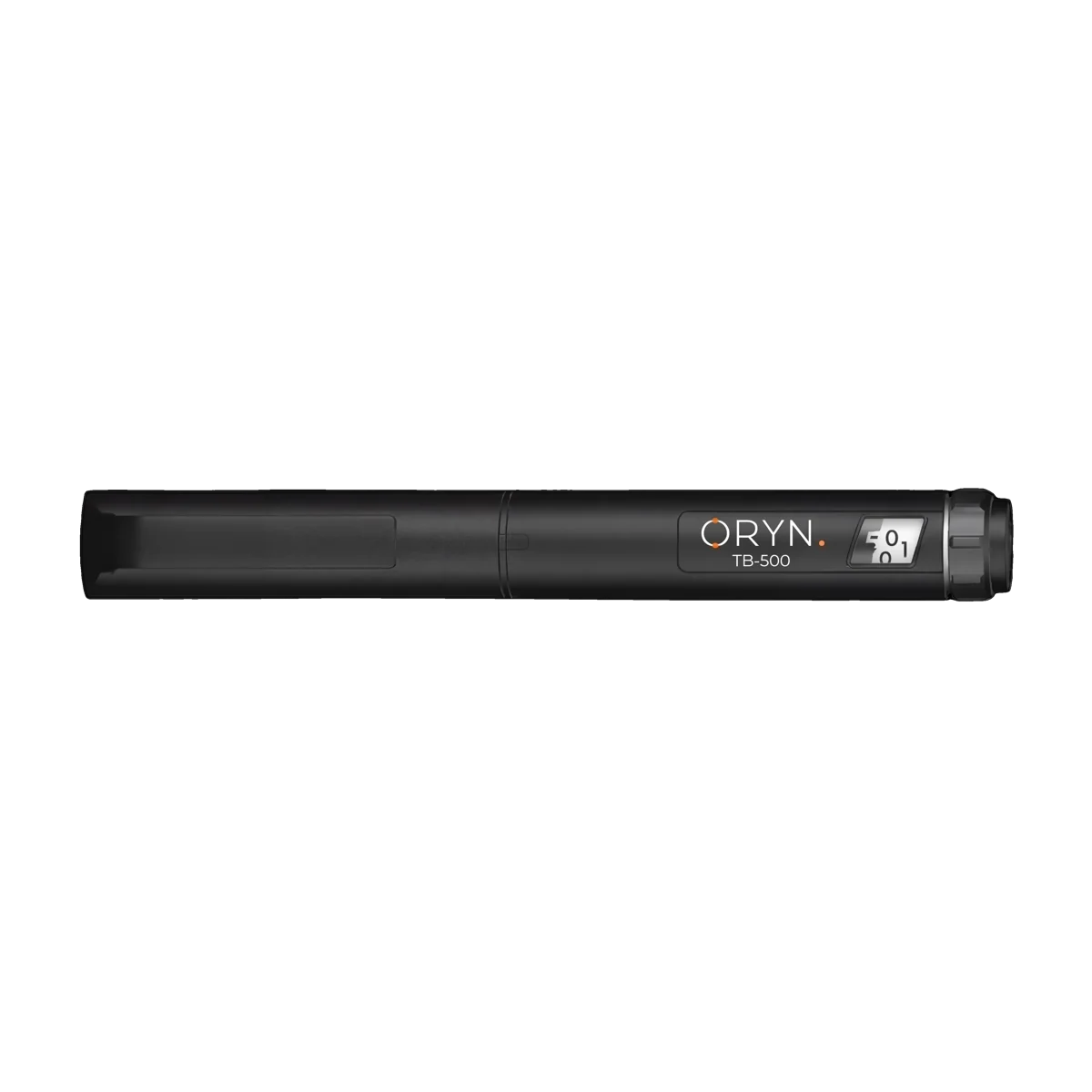
COMPARISONCompara BPC-157 y TB-500 para investigación de recuperación. Mecanismos, beneficios, dosificación y cuándo usar cada péptido. Compra ambos como plumas premezcladas.
COMPARISONCompara tirzepatida y semaglutida para investigación metabólica. Receptor dual vs simple, datos de eficacia, efectos secundarios y precios. Compra plumas de tirzepatida.
ENCYCLOPEDIAPentadecapéptido gástrico. Peso molecular: 1419.53 Da. Explora el mecanismo de acción, estudios clave y aplicaciones de investigación.
BUNDLEEl dúo clásico de curación para una reparación tisular acelerada
PROTOCOLProtocolo de investigación que combina los pens de péptidos BPC-157 y TB-500 para la recuperación tisular acelerada. Explore los mecanismos de curación sinérgica, los esquemas de dosificación y los hallazgos de estudios publicados.
FAQTodo sobre los sistemas de pen de péptidos. Cómo funcionan, ventajas sobre los viales y mecanismos de dosificación.
CATEGORYPlumas de péptidos de recuperación de grado de investigación. BPC-157 y TB-500 para reparación de tejidos, cicatrización de heridas e investigación de inflamación. Pureza >99%.
CATEGORYPlumas de péptidos para investigación de pérdida de peso. Tirzepatida — agonista dual GIP/GLP-1 para investigación metabólica. Plumas premezcladas, pureza >99%.
Premium pre-mixed peptide pens with next-day UK delivery. GMP manufactured, >99% purity guaranteed.
SHOP ALL PEPTIDES